Manaslu Tsum Valley with Buddhist Festival
- Duration 17 Days
- Max altitude 3,700m
- Difficulty Moderate
- Group size 2-16 Pax
- Stay Tea House
Journey into the hidden Tsum Valley for sacred Buddhist festivities, ancient monasteries and timeless Himalayan culture beneath Ganesh Himal.
Tsum Valley trek takes you through one of Nepal’s remote Himalayan valleys, which remained a restricted region until just a few years ago. Nestled in northern Gorkha, the Tsum Valley is a secluded and sacred Himalayan pilgrimage site. The name “Tsum” is derived from the Tibetan word ‘Tsombo,’ meaning vivid. Historically, the valley was known as ‘Tsum Tso Chucksums,’ referring to thirteen provinces ruled as a single territory.
Set against the stunning backdrop of the Ganesh Himal, Churkoe Himal, and Boudha Himal mountains, the valley is rich in ancient art, culture, and religious heritage. The local inhabitants, of Tibetan origin, speak their own dialect and follow unique cultural traditions. They celebrate Tibetan festivals such as Lhosar, Dhacyhang, Saga Dawa, and Faning. Notably, polyandry is practiced here, where brothers in a family may marry a single woman.
The team leader from Himalayan Vacation Treks and Expeditions will introduce you to the local people and provide insights into these unique traditions. The villagers also claim to have seen or found evidence of the Mehti, or ‘Yeti’ (the Abominable Snowman). In line with their deep respect for life, the killing of animals for meat is strictly prohibited in the valley. Recently, the Tsumanubri Rural Municipality enacted the Tsum Shayagya Act, 2079, an anti-animal killing act, which has been implemented across the region
- Remote Tsum Valley Journey
- Ganesh Himal & Himalchuli Views
- Scenic Himalayan Road Journey
- Chhule Buddhist Festival
- Sacred Mu & Rachen Gompas
- Ancient Tsum Valley Culture
Best time to go
- J
- F
- M
- A
- M
- J
- J
- A
- S
- O
- N
- D
- Best
- Good
- Not Recommended
Difficulty
Moderate
Designed for active travellers with good fitness, involving longer days, sustained ascents and higher-altitude terrain. Previous trekking experience is helpful, but technical climbing skills are generally not required.
Day by day
Day01 11 October 2027 – Arrival in Kathmandu 1400m Airport transfer
Welcome to Kathmandu, the vibrant capital of Nepal, celebrated for its rich historical monuments, sacred Hindu temples, and serene Buddhist stupas and monasteries. Upon arrival at Tribhuvan International Airport, our representative will greet you with a Himalayan Vacation Treks and Expedition placard and transfer you to your hotel.
Day02 12 October 2027 – Sightseeing in Kathmandu 1400m Full day
After breakfast, a local guide will take you sightseeing according to your interests. The tour may include Kathmandu Durbar Square, Pashupatinath, Boudhanath, Patan Durbar Square, and Swayambhunath. Sightseeing usually begins around 9:00 am and continues until approximately 4:00 pm. Lunch and dinner are at your own expense.
Day03 13 October 2027 – Kathmandu – Arughat Bazaar – Soti Khola – Machha Khola 869m 7–8 hrs drive
Leave Kathmandu early in the morning and travel along the Prithvi Highway before continuing towards Arughat Bazaar. The road passes through green hills, forests, villages, and terraced farmland. From Arughat, continue towards Machha Khola while following the Budhi Gandaki River upstream. Spend the night at a lodge beside the river, with views towards Ganesh Himal.
Day04 14 October 2027 – Machha Khola – Jagat 1070m 6–7 hrs trek
Walking begins today as we continue along the Budhi Gandaki River. Pass Khorla Besi, with views towards Ganesh Himal, and continue towards Tatopani, known for its natural hot spring. The route crosses suspension bridges and passes Dobhan, Yarubagar, and old landslide sections before reaching Jagat for the overnight stay.
Day05 15 October 2027 – Jagat – Lokpa 1600m 4–5 hrs trek
Trek through the hilly landscapes along a trail of gradual ascents, descents, and flatter sections. Pass waterfalls, riverside landscapes, alpine forests, and some landslide-prone sections. Enjoy views of Shringi Himal before reaching the Tsum Valley area, where permits are checked. Overnight in Lokpa.
Day06 16 October 2027 – Lokpa – Chumling 2386m 5–6 hrs trek
Trek from Lokpa through dense pine and rhododendron forests with occasional views of the Shiar Khola below. After crossing a suspension bridge, gradually ascend along narrow ridges and through small settlements before reaching Chumling. The traditional village is known for its Tibetan-style houses, monasteries, and beautiful mountain surroundings.
Day07 17 October 2027 – Chumling – Chokhangparo 3010m 4–5 hrs trek
Cross a suspension bridge and enjoy magnificent views of Ganesh Himal. Continue past Rainjam towards Serpu Khola and cross another bridge before arriving at Gho village. A steady climb then leads to Chokhangparo, where panoramic views of Himalchuli and Ganesh Himal reward the day's trek.
Day08 18 October 2027 – Chokhangparo – Chhule via Milarepa Cave 3347m 4–5 hrs trek
Trek from Chokhangparo towards Chhule via the spiritually significant Milarepa Cave. Pass Lama Gaun and visit the sacred cave, known for its cliffside gompas, murals, and association with the Tibetan Buddhist saint Milarepa. Descend to cross the Shiar Khola and continue through Phurbe and Pangdun before reaching Chhule.
Day09 19 October 2027 – Chhule – Mu Gompa – Chhule – Local Buddhist Festival 3700m 5–6 hrs trek
Trek through the Tibetan-influenced landscapes of upper Tsum Valley towards Mu Gompa, close to the Tibetan border. Explore the celebrated high-altitude monastery before returning to Chhule. In the afternoon, participate in the local Buddhist festival and experience the spiritual traditions of the Tsum Valley communities.
Day10 20 October 2027 – Chhule – Local Buddhist Festival 3347m Festival day
Spend the day in Chhule participating in the local Buddhist festival. The celebration reflects the region's Tibetan Buddhist heritage and features religious ceremonies and traditional sacred masked dances performed by local monks. It offers an immersive opportunity to experience the spiritual and cultural traditions of the remote Tsum Valley.
Day11 21 October 2027 – Chhule – Rachen Gompa – Chokhangparo 3347m / 3010m 4–5 hrs trek
Follow the Shiar Khola through Phurbe and Pangdun, surrounded by traditional Tibetan architecture and Buddhist stupas. Cross a suspension bridge to visit Rachen Gompa, an important Buddhist nunnery. Continue through Lamagaon and Ngakyu before reaching Chokhangparo, with panoramic views of Ganesh Himal and Himalchuli.
Day12 22 October 2027 – Chokhangparo – Chumling 3010m / 2386m 4–5 hrs trek
Continue through the beautiful lower Tsum Valley while descending towards Gho. Buddhist monasteries and stupas appear along the route. After crossing the bridge over the Serpu Khola, continue through the green valley towards Chumling for the overnight stay.
Day13 23 October 2027 – Chumling – Philim 2386m / 1570m 5–6 hrs trek
Descend from Chumling through terraced fields and lush forests. Cross a suspension bridge over the Siyar Khola and continue towards the impressive Samba waterfall. The trail winds through villages, farmland, and forests with views of Shringi Himal. Along the way, you may encounter local communities, yaks, and other livestock.
Day14 24 October 2027 – Philim – Machha Khola 1570m / 869m 5–6 hrs trek
Descend through the lower Budhi Gandaki Valley, passing villages such as Sirdibas, Jagat, and Doban. The trail meanders through terraced farmland and forests with several suspension bridge crossings. Pass the natural hot spring at Tatopani before reaching Machha Khola. This is the final walking day of the trek.
Day15 25 October 2027 – Machha Khola – Kathmandu 869m / 1400m 7–8 hrs drive
Begin the journey back to Kathmandu by vehicle. The drive follows the road towards Arughat Bazaar and continues towards Kathmandu, offering views of rural landscapes and the Ganesh Himal range along the way. Upon arrival in Kathmandu, enjoy time to relax and freshen up.
Day16 26 October 2027 – Rest / Shopping in Kathmandu 1400m Rest day
Spend the day at your leisure in Kathmandu. Explore the city, shop for souvenirs, relax at the hotel, or prepare for your journey home. An optional four-hour sightseeing excursion to Bhaktapur can also be arranged at an additional cost. In the evening, enjoy a farewell dinner hosted by Himalayan Vacation Treks and Expedition.
Day17 27 October 2027 – Departure from Kathmandu 1400m Airport transfer
Today marks the end of your Tsum Valley journey. Keep your passport, flight ticket, and other important travel documents safely in your hand luggage. A Himalayan Vacation Treks and Expedition representative will transfer you to Tribhuvan International Airport approximately three hours before your scheduled international flight.
A steady, well-paced climb
Altitude profile
Highest point reached each day, in metresView as table
| Day | Highest point | Altitude |
|---|---|---|
| Day 1 | Kathmandu | 1400 m |
| Day 2 | Kathmandu | 1400 m |
| Day 3 | Machha Khola | 869 m |
| Day 4 | Jagat | 1,070 m |
| Day 5 | Lokpa | 1,600 m |
| Day 6 | Chumling | 2,386 m |
| Day 7 | Chokhangparo | 3,010 m |
| Day 8 | Chhule | 3,347 m |
| Day 9 | Mu Gompa | 3,700 m |
| Day 10 | Chhule | 3,347 m |
| Day 11 | Chhule | 3,347 m |
| Day 12 | Chokhangparo | 3,010 m |
| Day 13 | Chumling | 2,386 m |
| Day 14 | Philim | 1,570 m |
| Day 15 | Kathmandu | 1400 m |
| Day 16 | Kathmandu | 1400 m |
| Day 17 | Kathmandu | 1400 m |
Clear pricing, no surprises
Included
- Airport pickups and drops in a private vehicle
- Farewell dinners in Kathmandu
- 4-night hotel accommodation in Kathmandu with breakfast
- All ground transportation on a comfortable vehicle as per the itinerary
- Guided city tour in Kathmandu by private vehicle
- Mountain experienced, English-speaking and government-licensed friendly guide and assistant guide (Up to 4 persons one guide
- Staff costs including their salary, insurance, equipment,
- Himalayan Vacation treks and expedition trekking bag/12 -14 kg capacity bag, and trekking map/ card are yours to take,
- Special permit of Tsum Valley
- Manaslu Conservation Area Permit
- Chun Nubri Municipality entrance fee.
- First Aid Medical kit (carried by your Trekking leader for Nepali staff
- All government and local taxes
- All necessary paperwork and trekking permits
Not included
- Nepalese visa fee
- meals (breakfast, lunch, and dinner) during the Trekking/walking
- Excess baggage charge(s)
- Entrance fees for sightseeing/monument visits in Kathmandu valley
- Extra night accommodation in Kathmandu because of early arrival, late departure, early return from mountain (due to any reason) than the scheduled itinerary
- Lunch and evening meals in Kathmandu
- International flights
- Travel and rescue insurance
- Emergency Evacuation (Helicopter Rescue).
- Down jacket and sleeping bag and Trekking Walking Hiking shoes.
- Personal expenses (phone calls, laundry, bar bills, battery recharge, extra porters, bottle or boiled water, shower, etc.)
- Tips for guide(s), porter(s) and driver(s)
Good to know
1. Why is Buddha Jayanti a special time to trek through Manaslu and Tsum Valley?
Buddha Jayanti adds a spiritual dimension that an ordinary Manaslu Tsum Valley trek cannot offer. The journey already passes through remote Buddhist villages, monasteries, mani walls, prayer flags and centuries-old sacred sites, but during Buddha Jayanti these traditions become part of a living celebration. For travellers interested in Tibetan Buddhist culture, Himalayan spirituality and authentic community experiences, this festival departure offers much more than mountain scenery.
2. What can I expect to experience during Buddha Jayanti in Tsum Valley?
Rather than a commercial festival designed for visitors, Buddha Jayanti in the Tsum Valley is rooted in local Buddhist life. Depending on the monastery and village traditions during your visit, you may encounter prayers, butter lamps, monastery gatherings, offerings, religious ceremonies and local devotees paying respect to Lord Buddha.
The experience is particularly powerful because it unfolds against the remote Himalayan landscape of Tsum Valley, where Buddhism remains deeply connected with everyday community life.
3. Is this better for cultural travellers or serious trekkers?
Both, and that combination is exactly what makes the trek different.
Trekkers still experience the dramatic landscapes of the Manaslu and Tsum Valley region, long mountain walking days, isolated settlements and high Himalayan scenery. But the Buddha Jayanti departure adds another purpose to the journey: reaching remote Buddhist communities at a meaningful time in their religious calendar.
It is an excellent choice for travellers who want their Nepal trek to tell a deeper story than simply reaching the highest point.
4. Why does Tsum Valley feel so different from Nepal’s busier trekking regions?
Tsum Valley offers a noticeably different atmosphere from Nepal’s heavily travelled trekking corridors. Its isolated mountain communities, Tibetan Buddhist heritage, traditional villages, monasteries, chortens, mani walls and sacred landscapes give the route a strong sense of cultural continuity.
Adding Buddha Jayanti makes that contrast even more noticeable. Instead of simply visiting monasteries as historic attractions, travellers have the opportunity to experience Buddhist traditions as part of the living culture of the valley.
5. Is the Buddha Jayanti departure worth choosing if I have already trekked in Nepal?
Yes, particularly if you want your next Nepal trek to feel completely different.
Travellers who have already experienced popular routes such as Everest, Annapurna or Langtang may find the Manaslu Tsum Valley Buddha Jayanti Trek especially rewarding. It combines remote Himalayan trekking with Buddhist heritage and a festival experience that cannot be recreated simply by visiting the same trail at another time of year.
The real highlight is not one mountain, monastery or viewpoint. It is the opportunity to walk through a living Himalayan Buddhist landscape during one of the most meaningful celebrations in the Buddhist calendar.
You may also like
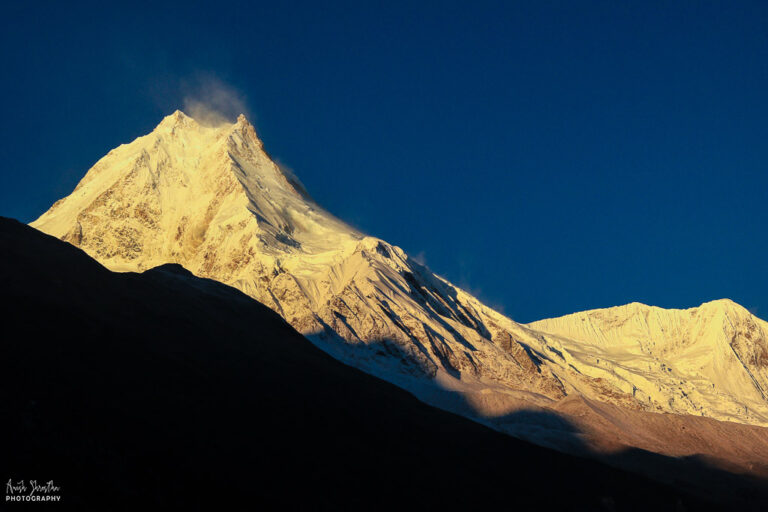
Manaslu Expedition
Rise through remote Himalayan valleys to an extraordinary 8,163-metre summit above the clouds. Rising to 8,163 metres in Nepal’s spectacular Manaslu region, Mount Manaslu…
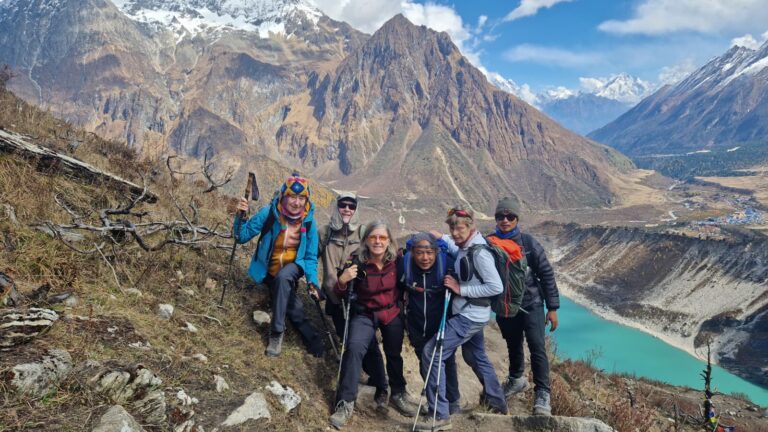
Manaslu Round
Across Wild Valleys to a Legendary Himalayan Pass Manaslu Round hike hiking is a cherished trekking route that combines breath-taking mountain views, rich cultural…
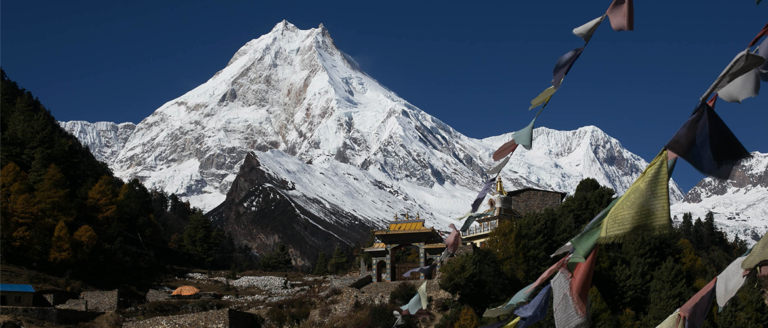
Manaslu Round with Chitwan Jungle Safari
Wild Mountain Passes, Ancient Villages & Untouched Himalayan Beauty The Manaslu Round Trek, opened in 1992, offers stunning mountain views, rich Tibetan culture, and…