Yala Peak
- Duration 16 Days
- Max altitude 5732m
- Difficulty Moderate
- Group size 4-12 Pax
- Best season Spring & Autumn
- Stay Tea House
Walk beyond the Langtang Valley onto snow and high mountain terrain for an unforgettable first Himalayan summit.
Rising to 5,500 metres in Nepal’s Langtang region, Yala Peak offers one of the most accessible introductions to Himalayan peak climbing. Combining the beautiful Langtang Valley trek with a high-altitude summit experience, it is particularly well suited to adventurous trekkers ready to progress beyond trekking without immediately committing to a highly technical 6,000-metre expedition.
The HVTreks Yala Peak Climbing adventure begins with an overland journey north of Kathmandu before following the Langtang Valley through forests, traditional villages and increasingly dramatic alpine scenery. The route passes through Langtang Village before reaching Kyanjin Gompa, one of the cultural and geographical highlights of the upper valley.
Rather than proceeding directly towards the mountain, the HVTreks itinerary includes dedicated acclimatisation at Kyanjin Gompa. A climb towards Kyanjin Ri provides valuable exposure to higher altitude before returning to sleep lower, helping the body prepare progressively for Yala Base Camp and the summit attempt.
Climbers also receive practical preparation in essential mountain skills, including crampon use, ice-axe technique and basic rope systems. Yala is generally considered beginner-accessible rather than highly technical, but conditions can still involve snow and glacier terrain, and proper equipment, fitness and experienced guidance remain important.
From Base Camp, the summit climb begins before dawn. The route gains altitude across increasingly open snow and mountain terrain before reaching the 5,500-metre summit. From the top, climbers are rewarded with extraordinary views across the Langtang Himalaya and towards Shishapangma, the 8,000-metre giant across the border in Tibet.
Yala Peak is particularly suitable for fit trekkers with previous mountain trekking experience who want to experience their first Himalayan summit. It provides an opportunity to learn fundamental mountaineering systems while experiencing high altitude without the substantially greater technical commitment of peaks such as Chulu East or Ama Dablam.
For anyone ready to move from high-altitude trekking into their first genuine summit experience, HVTreks Yala Peak Climbing combines culture, Himalayan scenery and an achievable climbing objective in one of Nepal’s most beautiful mountain valleys.
- Reach a 5,500-metre Himalayan summit
- Climb in prime spring or autumn conditions
- Journey overland into the beautiful Langtang Valley
- Experience Tamang and Tibetan Buddhist culture
- Take your first step into Himalayan peak climbing
- Professional climbing and high-altitude support
Best time to go
- J
- F
- M
- A
- M
- J
- J
- A
- S
- O
- N
- D
- Best
- Good
- Not Recommended
Difficulty
Moderate
Designed for active travellers with good fitness, involving longer days, sustained ascents and higher-altitude terrain. Previous trekking experience is helpful, but technical climbing skills are generally not required.
Day by day
Day01 Arrival in Kathmandu 1,400 m Airport Transfer
Arrive at Tribhuvan International Airport, where the HVTreks team will welcome you and transfer you to your hotel. Rest after your international journey and prepare for the adventure ahead.
Day02 Kathmandu Valley Sightseeing and Climbing Preparation 1,400 m Full day
After breakfast, explore some of Kathmandu Valley's remarkable cultural and spiritual landmarks with a local guide. Depending on your interests and available time, the day may include Kathmandu Durbar Square, Pashupatinath Temple, Boudhanath Stupa, Patan Durbar Square or Swayambhunath. Sightseeing normally runs from around 9:00 am until 4:00 pm. Later, the HVTreks team will check your personal climbing equipment and complete the final preparations for Yala Peak. Lunch and dinner are at your own expense.
Day03 Drive from Kathmandu to Syabrubesi 1,503 m 6-7 hrs by bus
Leave Kathmandu early and follow the road north towards Syabrubesi, the gateway to the Langtang Valley. Beyond Trisuli Bazaar, the road becomes narrower and the pace slows as it winds deeper into the hills. Pass rural settlements and Dhunche, the administrative centre of Rasuwa District, before continuing to Syabrubesi, a small Tamang town surrounded by green hills and mountain valleys.
Day04 Trek from Syabrubesi to Sherpagaun 2,563 m 5-6 hrs trek
Begin the trek with a steady climb from Syabrubesi towards Sherpagaun. The trail passes terraced farmland, pine and rhododendron forest and traditional settlements such as Khanjim. Stone houses, carved wooden details and colourful prayer flags reflect the strong Tamang and Himalayan Buddhist heritage of the region. As the trail gains elevation, views across the Langtang Valley gradually open before reaching peaceful Sherpagaun for the night.
Day05 Trek from Sherpagaun to Ghodatabela 2,970 m 5-6 hrs trek
Continue deeper into the Langtang Valley through changing forest and mountain scenery. The trail links with the traditional valley route around Rimche and Lama Hotel before climbing through forests of rhododendron, oak and bamboo. Higher up, the landscape begins to open and glimpses of Langtang Lirung appear above the valley. Finish the day at Ghodatabela, a quiet mountain meadow surrounded by increasingly dramatic Himalayan scenery.
Day06 Trek from Ghodatabela to Langtang Village 3,430 m 3-4 hrs trek
Follow a gradual ascent through alpine meadows and increasingly open mountain terrain. Pass settlements including Thyangsyapu and Chyamki while enjoying views towards Langtang Lirung and the surrounding peaks. The route eventually reaches Langtang Village, rebuilt following the devastating 2015 earthquake and once again an important centre of life in the valley. Spend the afternoon experiencing the hospitality and Tibetan-rooted Tamang culture of the upper Langtang region.
Day07 Trek from Langtang Village to Kyanjin Gompa 3,830 m 3-4 hrs trek
Continue through stone-built settlements, mani walls and Buddhist chortens as the valley widens into a broad U-shaped glacial landscape. Today's shorter walk is deliberate, giving your body additional time to adjust to the altitude. Reach Kyanjin Gompa beneath the high mountains of the upper valley, an important cultural centre and the main acclimatisation base for Yala Peak.
Day08 Acclimatisation, Kyanjin Ri and Yala Peak Training 3,830 m Full day
Spend an essential acclimatisation day at Kyanjin Gompa. Weather and individual condition permitting, hike to Kyanjin Ri at 4,773 m for sweeping views across the Langtang Himalaya before returning to the village. There is also time to explore Kyanjin Gompa and visit the local cheese factory. Later, the HVTreks climbing team provides pre-climb instruction covering the equipment and techniques required for Yala Peak.
Day09 Trek from Kyanjin Gompa to Yala Peak Base Camp 4,600 m 3-4 hrs trek
Leave Kyanjin Gompa and turn towards the open high country beneath Yala Peak. The route initially climbs over gentler slopes towards Yala Kharka before becoming steeper as Base Camp approaches. The pace is kept controlled according to altitude and the condition of the group. Reach Base Camp at 4,600 metres, surrounded by impressive views of the Langtang Himalayan landscape. Overnight in tents and prepare for an early summit start.
Day10 Yala Peak Summit and Descend to Kyanjin Gompa 5,732 m 5-6 hrs climb/descent
Wake before dawn, have a hot drink and prepare for the summit attempt. Climb steadily through high alpine terrain, using the climbing techniques practised with the HVTreks team as required by conditions. Reaching the 5,732-metre summit of Yala Peak brings extensive views across the Langtang Himalaya and towards the high mountains of Tibet. After a short time on the summit, descend carefully to Base Camp for lunch before continuing down to Kyanjin Gompa for the night.
Day11 Contingency Day for Yala Peak 3,830 m Flexible
This day is deliberately kept flexible for weather, snow conditions or other circumstances that may affect the summit schedule. If the climb has been completed according to plan, the day can be used for additional recovery and exploration around Kyanjin Gompa.
Day12 Trek from Kyanjin Gompa to Lama Hotel 2,500 m 5-6 hrs trek
Begin the journey back through the Langtang Valley. Although the route is predominantly downhill, there is no need to rush. Walking in the opposite direction reveals mountain views and valley perspectives that are easily missed during the ascent. Continue through the upper settlements and forest to Lama Hotel for the night.
Day13 Trek from Lama Hotel to Syabrubesi 1,503 m 4-5 hrs trek
Continue descending through forest and alongside the Langtang Khola towards Syabrubesi. The Langtang region forms part of Langtang National Park, habitat for wildlife including the elusive red panda. Reach Syabrubesi between the Bhote Koshi and Langtang river systems and enjoy the final evening of the trekking section.
Day14 Drive from Syabrubesi to Kathmandu 1,400 m 6-7 hrs drive
After breakfast, leave the mountains and travel back towards Kathmandu by bus or jeep. Follow the winding road through Rasuwa and the Trisuli Valley before returning to the capital and transferring to your hotel.
Day15 Rest, Shopping and Optional Bhaktapur Sightseeing 1,400 m Full day
Enjoy a free day in Kathmandu for rest, shopping or personal exploration. If you wish, HVTreks can arrange an optional 3-4 hour visit to Bhaktapur Durbar Square, one of Kathmandu Valley's remarkable historic centres, at an additional cost. In the evening, join the HVTreks team for a farewell dinner and celebrate the completion of your Langtang and Yala Peak adventure.
Day16 Final Departure from Kathmandu 1,400 m Airport transfer
Before departure, make sure your travel documents and personal belongings are ready and keep your passport and flight documents in your hand luggage. An HVTreks representative will transfer you to Tribhuvan International Airport approximately three hours before departure. Leave Nepal with memories of Langtang Valley, Yala Peak and the people you met along the way, and hopefully with plans to return for another Himalayan adventure.
A steady, well-paced climb
Altitude profile
Highest point reached each day, in metresView as table
| Day | Highest Point | Altitude |
|---|---|---|
| Day 1 | Kathmandu | 1,400 m |
| Day 2 | Kathmandu | 1,400 m |
| Day 3 | Syabrubesi | 1,503 m |
| Day 4 | Sherpagaun | 2,563 m |
| Day 5 | Ghodatabela | 2,970 m |
| Day 6 | Langtang Village | 3,430 m |
| Day 7 | Kyanjin Gompa | 3,830 m |
| Day 8 | Kyanjin Ri | 4,773 m |
| Day 9 | Yala Peak Base Camp | 4,600 m |
| Day 10 | Yala Peak Summit | 5,732 m |
| Day 11 | Kyanjin Gompa | 3,830 m |
| Day 12 | Kyanjin Gompa | 3,830 m |
| Day 13 | Lama Hotel | 2,500 m |
| Day 14 | Syabrubesi | 1,503 m |
| Day 15 | Kathmandu | 1,400 m |
| Day 16 | Kathmandu | 1,400 m |
Clear pricing, no surprises
Included
- Airport pickups and drops in a private vehicle
- Hotel accommodation in Kathmandu with breakfast
- Lodge teahouse trek accommodation during the trek
- 1-night 2days in including camping meals
- All ground transportation on a comfortable vehicle as per the itinerary
- Trained English speaking trekking guide and climbing guide with assistants
- Porter service (2 trekkers: 1 porter)
- Staff costs including their salary, insurance, domestic airfare, food and accommodation
- Himalayan Vacation treks and expedition trekking bag/12kg capacity bag and trekking map are yours to take
- Langtang National park
- All necessary paper work; and trekking permits
- Kitchen equipments and tents for climbing
- Medical kit (carried by your guide)
- All government and local taxes
- Achievement certificate from HVtreks following successful climb
Not included
- Nepalese visa fee 15 Days – 30 USD 30 Days – 50 USD 90 Days – 125 USD
- Excess baggage charge(s)
- Extra night accommodation in Kathmandu because of early arrival, late departure, early return from mountain (due to any reason) than the scheduled itinerary
- Lunch and evening meals in Kathmandu
- All meals (breakfast, lunch and dinner) during the treks
- International flights
- Travel and rescue insurance
- Emergency Evacuation (Helicopter Rescue).
- Down jacket and sleeping bag and trekking Hiking shoes ,Climbing shoes .
- Personal expenses (phone calls, laundry, bar bills, battery recharge, extra porters, bottle or boiled water, shower, etc.)
- Oxygen or altitude Chamber (PAC)
- Tips for guides and porters
Good to know
1. Is Yala Peak suitable for someone who has never climbed a Himalayan peak before?
Yes. The HVTreks Yala Peak Climbing itinerary is designed as an introduction to Himalayan mountaineering for fit trekkers who already feel comfortable walking at altitude. Yala is generally considered beginner-accessible, but climbers may still encounter snow, cold, steep terrain and conditions requiring crampons, an ice axe or rope systems.
HVTreks includes an acclimatisation day and pre-climbing training at Kyanjin Gompa before moving to Base Camp, so essential equipment and techniques are introduced before summit day.
2. Why does HVTreks list Yala Peak at 5,732 m when some sources say 5,500 m?
There is a genuine difference between published Yala Peak elevations. Current sources quote figures ranging from 5,500 m to 5,732 m.
For this package, HVTreks uses 5,732 m consistently because this is the altitude used in our operational itinerary. The important point for climbers is that Yala remains a serious high-altitude objective regardless of which published survey elevation is referenced.
3. Why do we hike to Kyanjin Ri before attempting Yala Peak?
The climb to Kyanjin Ri at 4,773 m is an important part of the HVTreks acclimatisation strategy. Instead of travelling directly from Kyanjin Gompa at 3,830 m to Yala Base Camp at 4,600 m, climbers first gain altitude on Kyanjin Ri and then return lower to sleep.
It also gives the HVTreks team an opportunity to observe how each climber is responding to altitude before committing to Base Camp and the summit attempt.
4. What happens if bad weather prevents us from climbing Yala Peak on Day 10?
HVTreks includes Day 11 specifically as a contingency day. If weather, snow conditions, visibility or the condition of the team makes a Day 10 summit attempt unsuitable, the itinerary has flexibility to delay the climb.
However, a contingency day is not a guarantee of reaching the summit. If conditions remain unsuitable, HVTreks will prioritise a safe return over attempting the mountain simply because an extra day is available.
5. What makes Yala Peak different from Island Peak, Pisang Peak or Chulu East?
Yala is positioned as an entry point into Himalayan peak climbing. Its value lies in introducing trekkers to summit-day preparation, altitude above 5,000 m and fundamental climbing equipment without immediately committing them to the greater technical demands of higher 6,000-metre objectives.
For HVTreks, the natural progression is:
Yala Peak → Pisang Peak → Island/Lobuche Peak → Chulu East → Ama Dablam → 7,000 m expeditions
Completing Yala comfortably can therefore be more than a standalone achievement. It can help a climber understand whether they enjoy high-altitude mountaineering enough to progress towards bigger Himalayan objectives.
You may also like
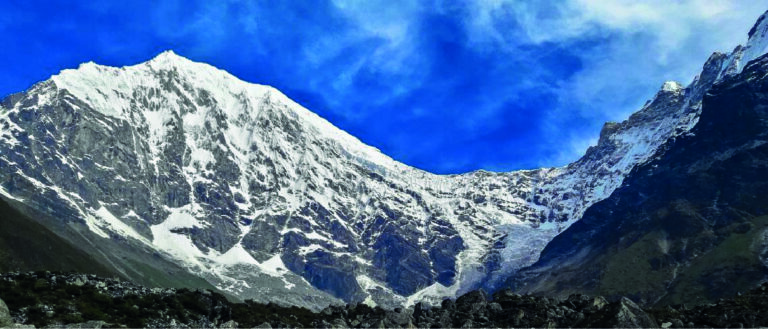
Langtang Valley
Journey Through Himalayan Valleys to the Roof of Langtang Langtang Valley hiking is one of Nepal’s most popular and accessible trekking routes, cherished by…
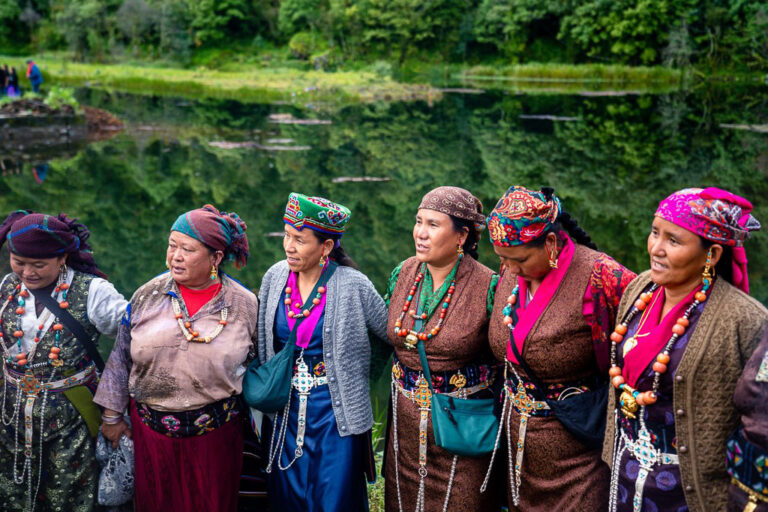
Tamang Heritage Trail
Himalayan Views & Authentic Village Culture A war between Nepal and Tibet broke about 150 years ago for salt, and some of the biggest…
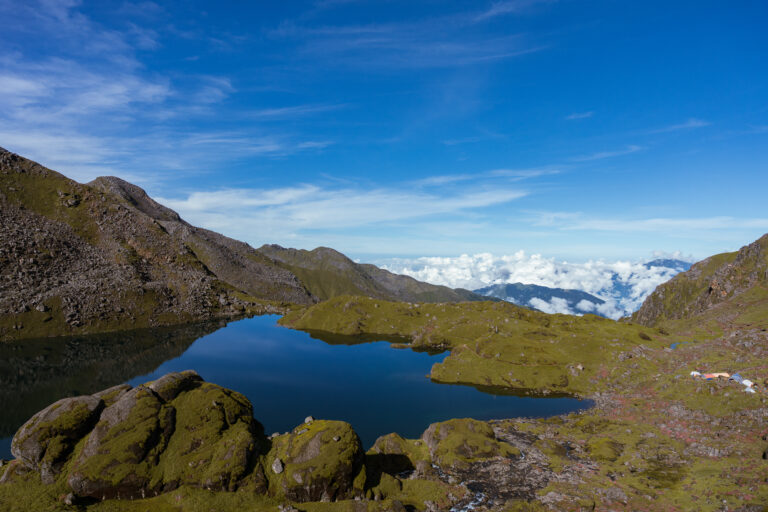
Langtang, Gosaikunda & Helambu
One of the rewarding classics This Trek into the Langtang Region and the Langtang National Park has been one of the rewarding classics of…