Monsoon Trekking in Nepal: Explore Upper Mustang & the Rain-Shadow Himalayas

When people search for the best time to trek in Nepal, they often hear the same advice: avoid June, July and August. While that makes sense for many Himalayan trails, it does not apply equally to every region. Some of Nepal’s most fascinating adventures lie in the Trans-Himalayan rain-shadow, opening up possibilities for travellers visiting Nepal during summer.

What Is a Rain-Shadow Trek?

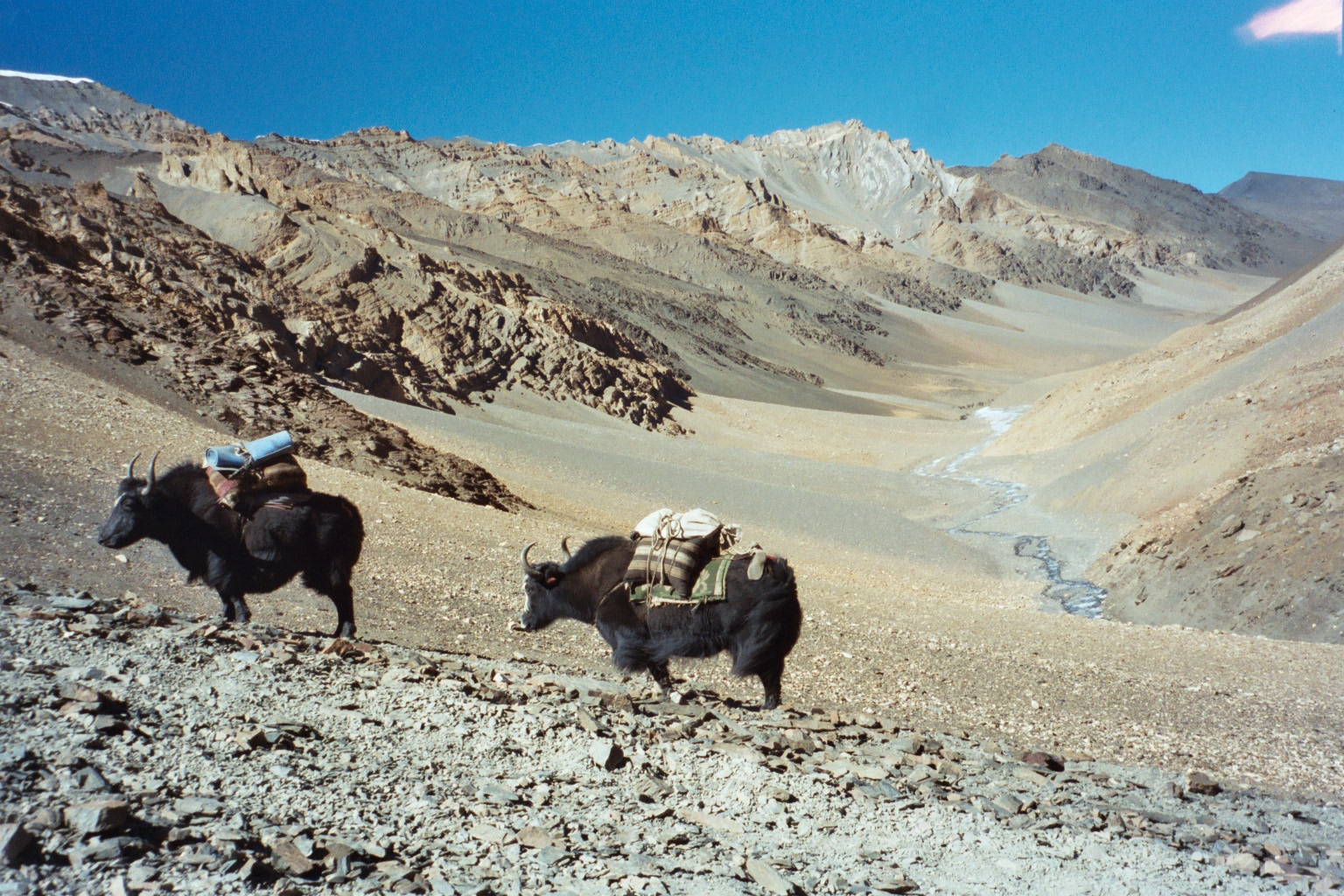
Nepal’s summer monsoon brings significant rainfall to many areas south of the main Himalayan range. But some landscapes beyond the high mountains receive much less monsoon moisture.

This creates dramatically different scenery from the green hills many travellers associate with Nepal. Expect wind-carved cliffs, barren valleys, colourful rock formations, ancient settlements and a landscape that often feels closer to the Tibetan Plateau.

Upper Mustang: A Different Side of Nepal

Upper Mustang is one of the most remarkable examples.

HV Treks’ Upper Mustang itinerary travels from Pokhara to Jomsom and Kagbeni before entering the restricted region and continuing through Chele, Shyangbochen, Ghami and ancient monasteries toward the historic walled settlement of Lo Manthang.

The landscape is characterised by eroded cliffs, colourful rock formations, Buddhist chortens, stupas, mani walls and traditional Tibetan-influenced settlements. Upper Mustang remained closed to foreign visitors until 1991, helping preserve much of its distinctive cultural identity.

That combination of scenery and culture makes the journey feel very different from Nepal’s classic forest and glacier treks.

More Than Just Trekking

Upper Mustang also works well for travellers who want to experience the Himalayas without spending every day walking.

HV Treks offers jeep and hiking journeys through the region, combining overland exploration with shorter walks through Mustang’s villages, monasteries, caves and desert-like landscapes.

For those seeking something even more adventurous, Upper Mustang motorbike tours travel through remote mountain roads and dramatic landscapes toward the Tibetan frontier.

This makes Mustang suitable for different styles of traveller, from dedicated trekkers to photographers, cultural travellers and adventure riders.

What About Dolpo?

Travellers looking for an even more remote experience can consider Upper Dolpo, another Trans-Himalayan region featured in the HV Treks portfolio.

Unlike Nepal’s famous lodge-based trekking routes, journeys through Dolpo can involve remote camps, high mountain passes, isolated Tibetan-influenced settlements and the remarkable turquoise waters of Phoksundo Lake.

These routes are better suited to experienced trekkers who are comfortable with longer itineraries, basic facilities and genuine wilderness.

Does Monsoon Trekking Mean No Rain?

No.

Choosing a rain-shadow destination does not mean every day will be completely dry. Getting to and from remote Himalayan regions can still involve roads or flights affected by wider monsoon weather.

The important point is that Nepal’s trekking season is not identical everywhere.

A wet summer day around Kathmandu or Pokhara does not necessarily tell you what conditions will be like beyond the Himalayan barrier.

Summer Can Be a Himalayan Adventure Too

If June, July or August are the only months you can travel, don’t automatically rule out trekking in Nepal.

Instead, choose the destination around the season.

For travellers interested in ancient Buddhist culture, extraordinary desert landscapes, remote villages and less conventional Himalayan adventures, Nepal’s rain-shadow regions can reveal an entirely different side of the country.

Sometimes the best Himalayan journey isn’t about waiting for the traditional trekking season. It’s about knowing where to go when everyone else stays home.
Acclimatisation in Nepal: Why Rest Days Matter on High-Altitude Treks

Trekking in Nepal is not only about how far you can walk. As Himalayan trails climb above 3,000 metres, proper acclimatisation becomes one of the most important parts of a safe and enjoyable trek. Taking time to adjust to altitude can make the difference between enjoying the mountains and having to turn back early.

What Is an Acclimatisation Day?

An acclimatisation day does not always mean staying in your lodge all day. On many Nepal trekking itineraries, it involves a short hike to a higher altitude before returning to sleep lower.

This approach gives your body more time to adjust as the amount of available oxygen decreases with altitude.

On the Everest Base Camp Trek, for example, HV Treks includes an acclimatisation day at Namche Bazaar before the route continues toward Tengboche, Dingboche, Lobuche, Kala Patthar and Everest Base Camp.

Higher Treks Need More Time

Not every trek in Nepal requires the same acclimatisation schedule.

A lower-altitude adventure such as Poon Hill is very different from crossing a Himalayan pass above 5,000 metres or climbing a trekking peak above 6,000 metres.

The Nar–Phu and Kang La itinerary on HV Treks includes acclimatisation days in both Phu Gaon at 4,080m and Nar Village at 4,110m before crossing Kang La Pass at 5,306m.

Similarly, remote routes through the Everest, Manaslu, Makalu and other high Himalayan regions need carefully planned altitude gains rather than simply reaching the destination as quickly as possible.

Listen to Your Body

Altitude affects everyone differently. Fitness alone does not guarantee that someone will adjust quickly to high elevation.

While trekking, pay attention to how you feel, maintain a comfortable walking pace, stay hydrated and communicate openly with your trekking guide. A carefully planned itinerary should always leave room to respond to changing weather, trail conditions and the health of individual trekkers.

HV Treks specifically notes that its trekking leaders may adjust an itinerary when weather, a guest’s health or natural conditions make changes necessary.

Acclimatisation Is Also Part of the Experience

A slower day in the Himalayas is rarely a wasted day.

An acclimatisation stop can become an opportunity to explore a Sherpa village, visit a Buddhist monastery, hike to a viewpoint or simply spend more time experiencing local mountain life.

In remote Tsum Valley, for example, HV Treks’ route passes ancient Buddhist monasteries, Tibetan-influenced communities and landscapes beneath Ganesh Himal, Shringi Himal and Himal Chuli, showing how Himalayan trekking is about much more than reaching the highest point.

Trek Higher, But Trek Wisely

The goal of a Himalayan journey should not be to reach the highest point as quickly as possible. The best trekking experiences give your body time to adapt while allowing you to enjoy the landscapes, people and cultures encountered along the way.

Whether you are heading toward Everest Base Camp, crossing a 5,000-metre Himalayan pass or preparing for a peak climb, choosing an itinerary with sensible acclimatisation is one of the smartest decisions you can make.

How to Choose the Right Trek in Nepal

Nepal has hundreds of trekking routes, from gentle lodge-to-lodge walks to remote high passes. The best trek for you depends on a few honest questions: how much time you have, how fit you are, when you can travel and what you most want to see.

1. Start with the time you have

Most classic treks need between 7 and 20 days on the trail, plus a day or two in Kathmandu either side. With a week, short routes like Poon Hill or the Langtang Valley work well. Two weeks opens up Everest Base Camp or the Annapurna Base Camp, and three weeks gives you the full Annapurna Circuit or Manaslu.

2. Be realistic about fitness and altitude

You don’t need to be an athlete, but you should be comfortable walking 5–7 hours a day for several days in a row. Altitude matters more than distance: routes above 4,000 m need extra acclimatization days built into the itinerary.

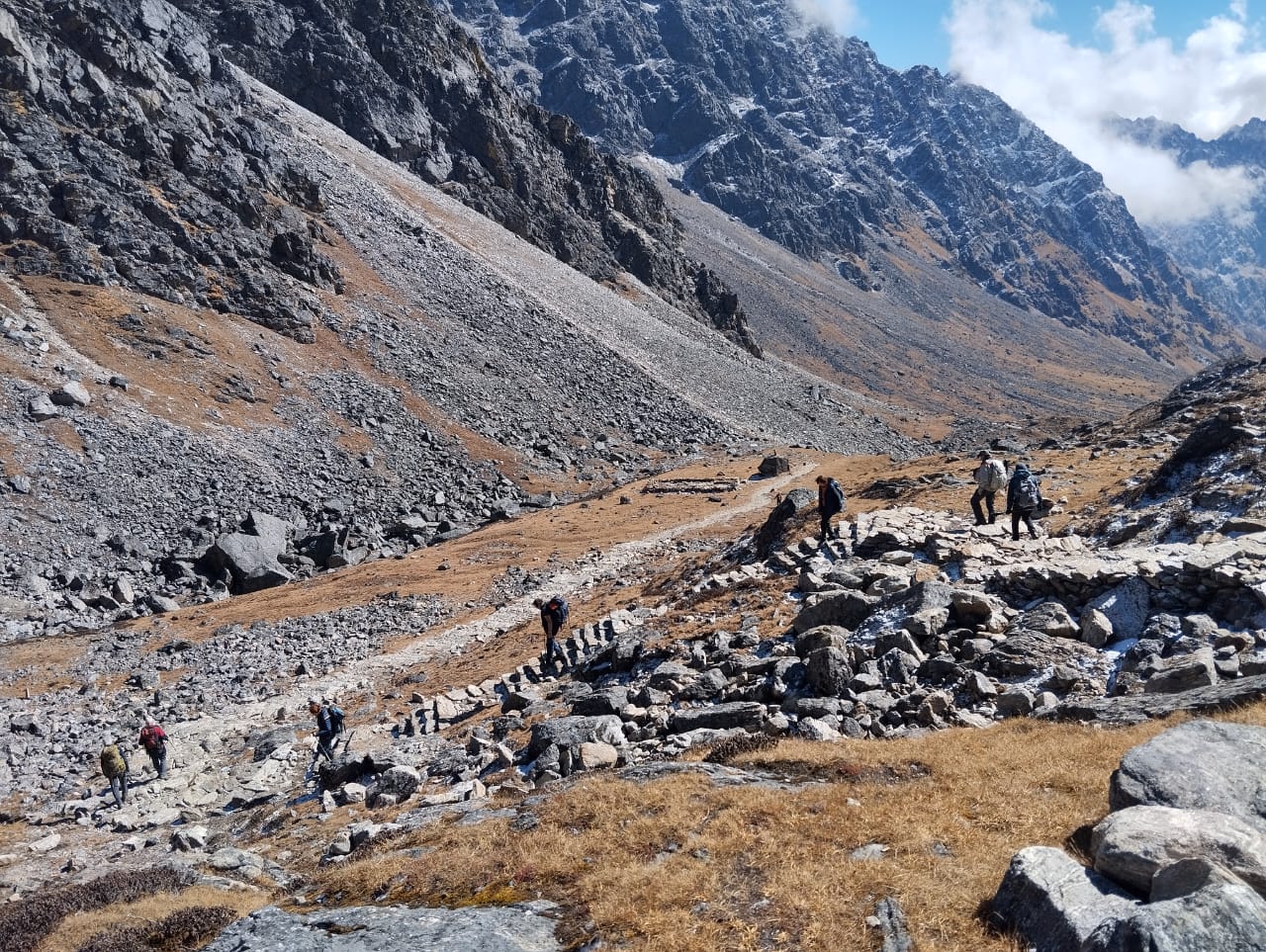
  • Trekkers on a high trail with mountains behind
  • Acclimatization days are part of every high-altitude itinerary we plan.

3. Pick the right season

Spring (March–May) and autumn (September–November) bring the clearest skies and most stable weather. Winter is quieter and colder; the monsoon (June–August) suits rain-shadow regions such as Upper Mustang and Dolpo.

“The right trek isn’t the hardest or the most famous one. It’s the one that matches your time, your pace and the experience you’re hoping for.”

— Senior guide, Himalayan Vacation Treks

4. Decide what you want to experience

  • Big mountain views: Everest Base Camp, Gokyo Lakes, Annapurna Base Camp.
  • Culture and villages: Langtang, Tsum Valley, Upper Mustang.
  • Fewer crowds: Manaslu Circuit, Makalu Base Camp, Kanchenjunga.
  • Short and scenic: Poon Hill, Mardi Himal, Everest View Trek.

5. Talk to someone who knows the trails

Once you have a shortlist, a quick conversation with a local planner can save a lot of guesswork. We can suggest routes that fit your dates, adjust the pace and add rest days where you need them.