When people search for the best time to trek in Nepal, they often hear the same advice: avoid June, July and August. While that makes sense for many Himalayan trails, it does not apply equally to every region. Some of Nepal’s most fascinating adventures lie in the Trans-Himalayan rain-shadow, opening up possibilities for travellers visiting Nepal during summer.
What Is a Rain-Shadow Trek?
Nepal’s summer monsoon brings significant rainfall to many areas south of the main Himalayan range. But some landscapes beyond the high mountains receive much less monsoon moisture.
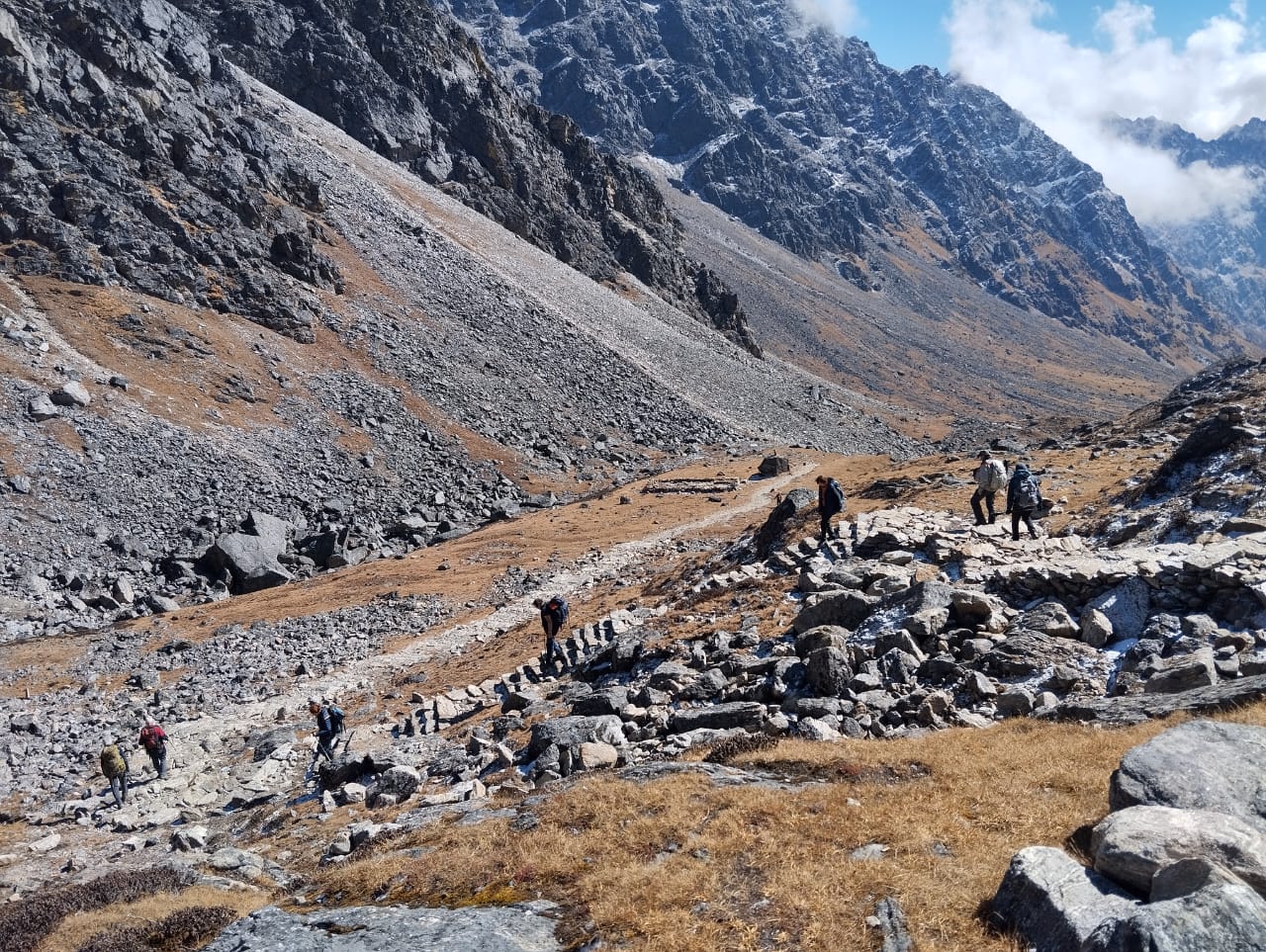
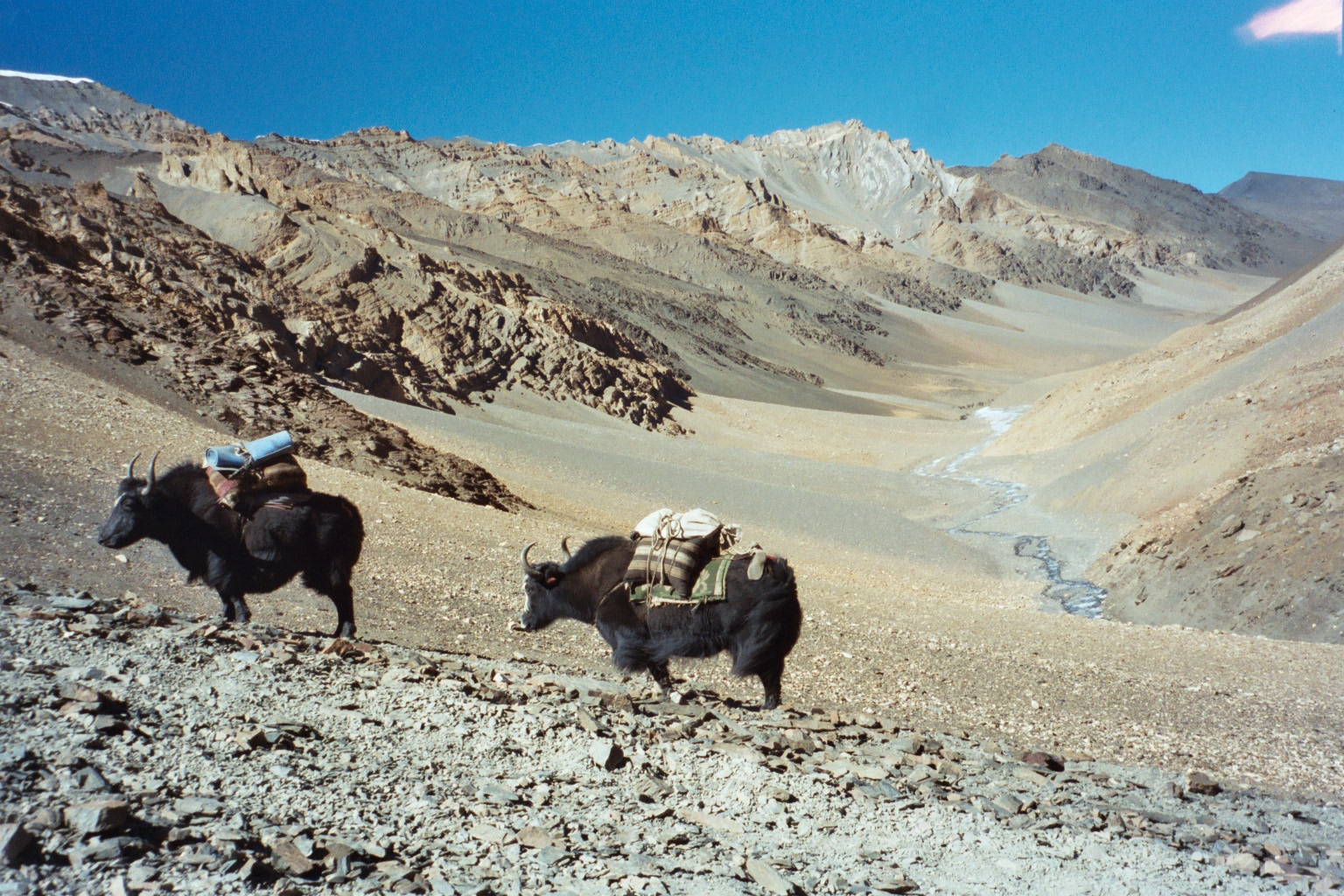
This creates dramatically different scenery from the green hills many travellers associate with Nepal. Expect wind-carved cliffs, barren valleys, colourful rock formations, ancient settlements and a landscape that often feels closer to the Tibetan Plateau.
Upper Mustang: A Different Side of Nepal
Upper Mustang is one of the most remarkable examples.
HV Treks’ Upper Mustang itinerary travels from Pokhara to Jomsom and Kagbeni before entering the restricted region and continuing through Chele, Shyangbochen, Ghami and ancient monasteries toward the historic walled settlement of Lo Manthang.
The landscape is characterised by eroded cliffs, colourful rock formations, Buddhist chortens, stupas, mani walls and traditional Tibetan-influenced settlements. Upper Mustang remained closed to foreign visitors until 1991, helping preserve much of its distinctive cultural identity.
That combination of scenery and culture makes the journey feel very different from Nepal’s classic forest and glacier treks.
More Than Just Trekking
Upper Mustang also works well for travellers who want to experience the Himalayas without spending every day walking.
HV Treks offers jeep and hiking journeys through the region, combining overland exploration with shorter walks through Mustang’s villages, monasteries, caves and desert-like landscapes.
For those seeking something even more adventurous, Upper Mustang motorbike tours travel through remote mountain roads and dramatic landscapes toward the Tibetan frontier.
This makes Mustang suitable for different styles of traveller, from dedicated trekkers to photographers, cultural travellers and adventure riders.
What About Dolpo?
Travellers looking for an even more remote experience can consider Upper Dolpo, another Trans-Himalayan region featured in the HV Treks portfolio.
Unlike Nepal’s famous lodge-based trekking routes, journeys through Dolpo can involve remote camps, high mountain passes, isolated Tibetan-influenced settlements and the remarkable turquoise waters of Phoksundo Lake.
These routes are better suited to experienced trekkers who are comfortable with longer itineraries, basic facilities and genuine wilderness.
Does Monsoon Trekking Mean No Rain?
No.
Choosing a rain-shadow destination does not mean every day will be completely dry. Getting to and from remote Himalayan regions can still involve roads or flights affected by wider monsoon weather.
The important point is that Nepal’s trekking season is not identical everywhere.
A wet summer day around Kathmandu or Pokhara does not necessarily tell you what conditions will be like beyond the Himalayan barrier.
Summer Can Be a Himalayan Adventure Too
If June, July or August are the only months you can travel, don’t automatically rule out trekking in Nepal.
Instead, choose the destination around the season.
For travellers interested in ancient Buddhist culture, extraordinary desert landscapes, remote villages and less conventional Himalayan adventures, Nepal’s rain-shadow regions can reveal an entirely different side of the country.
Sometimes the best Himalayan journey isn’t about waiting for the traditional trekking season. It’s about knowing where to go when everyone else stays home.